Valitse kieli:
Select Language:
Välj språket:


4.4 Traffic lights
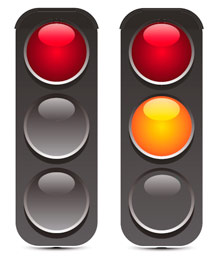
The red light indicates, that the vehicle is not allowed to bypass the first traffic sign or stop line intended for the driving direction.
When red and yellow lights appear at the same time it means that the light is about to turn green.
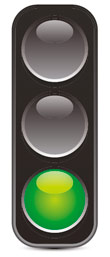
The green light indicates, that the vehicle is allowed to bypass the first traffic sign and the stop line. Regardless of the green light the driver has to give free passage to pedestrians, that is on the pedestrian crossing or about to step on it. A vehicle turning at an intersection must give way to cyclists, moped riders or pedestrians crossing the intersecting road. When turning to left, the turning vehicle must always give way to oncoming traffic.
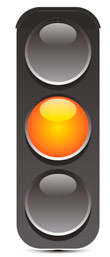
The yellow light indicates, that the vehicle is not allowed to bypass the first traffic sign or stop line intended for the driving direction. However, if the vehicle cannot be safely stopped when the light turns from green to yellow, it is allowed for the vehicle to bypass the traffic sign or stop line.
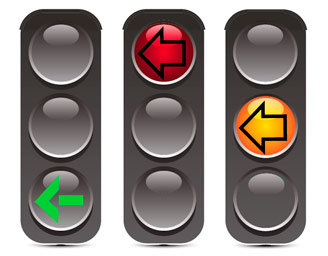
If the green light is shaped like an arrow the vehicle is allowed to continue in the direction shown by the arrow. If red or yellow light has an arrow with black outlines, the vehicle is not allowed to continue in the direction shown by the arrow.
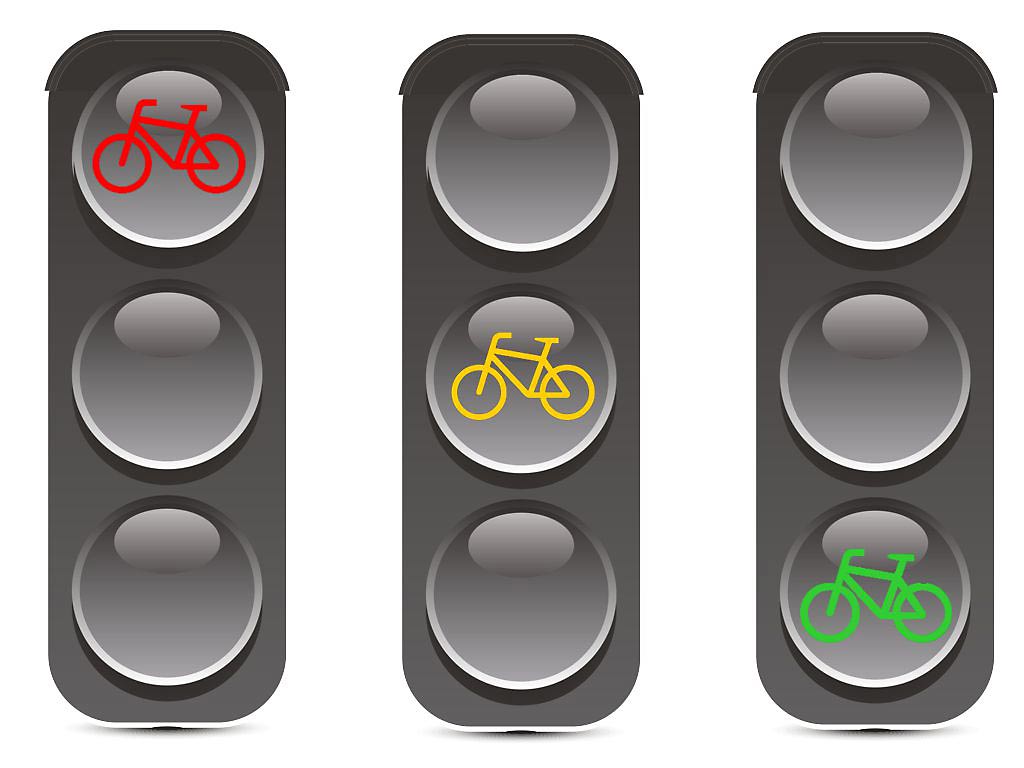
Bicycle traffic lights have a red, yellow, and green light and a picture of a bicycle.
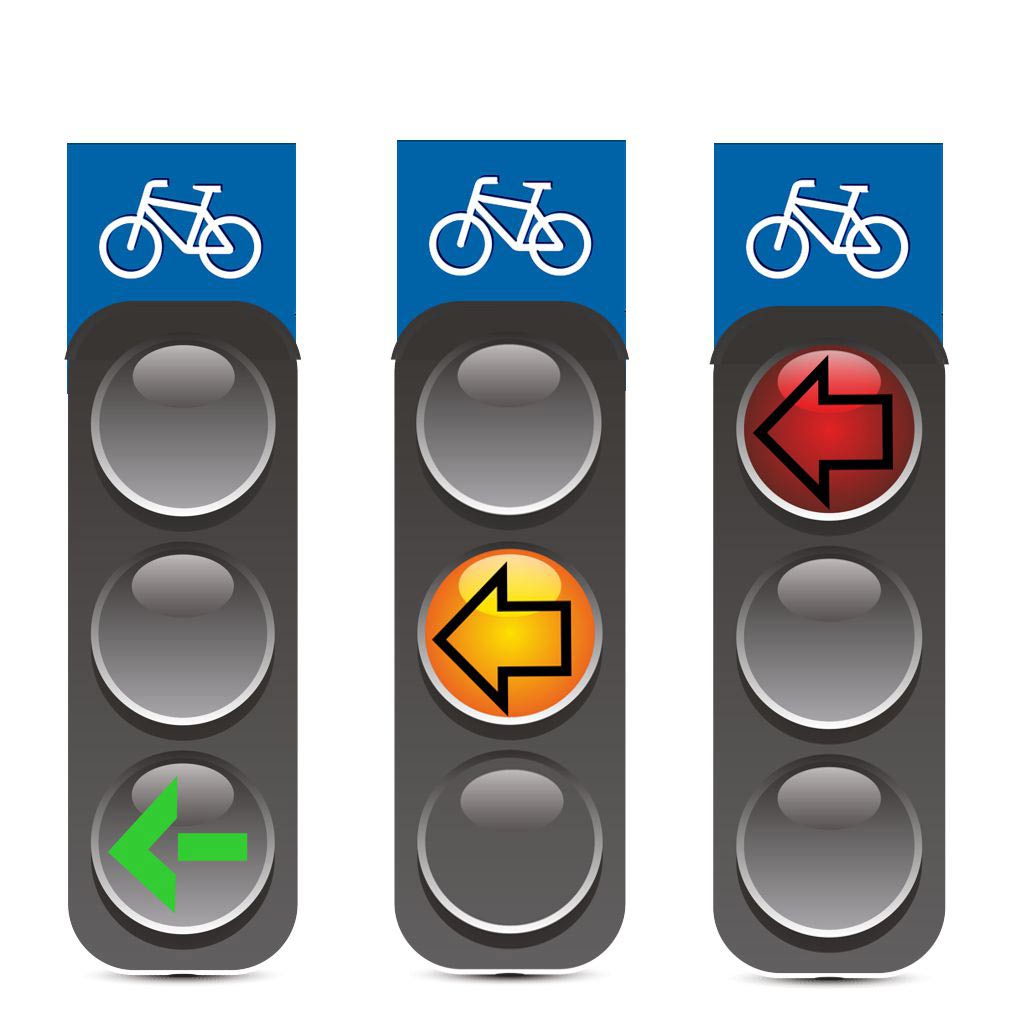
They may also have lights with arrows, with a blue bicycle symbol at the top against a white background.
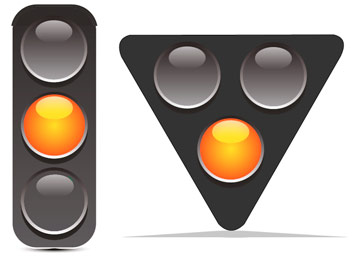
A flashing yellow light means that the driver has to proceed with caution.
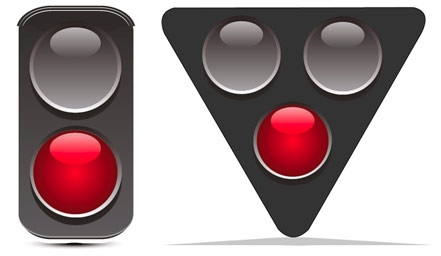
A flashing red light indicates, that the vehicle is not allowed to bypass the first traffic sign or stop line.
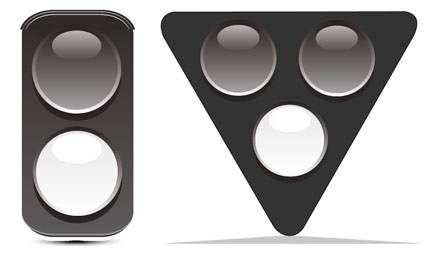
A flashing white light indicates that the vehicle is allowed to bypass the traffic sign and the stop line, but it has to follow the traffic rules of level crossing.
Lane control signals above each lane may indicate that the road has closed lanes or that there is a need to change the lane. Lane control signals explained below:
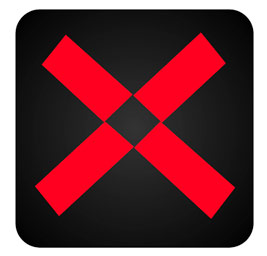
A red cross light indicates that the lane is closed to traffic facing the sign.
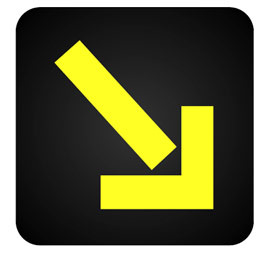
A flashing yellow arrow light indicates that the light is about to turn red or that the lane is closed further ahead. Vehicle has to change to a lane that has a green light. When there are two flashing yellow arrow lights, the vehicle has to change the lane to either direction.
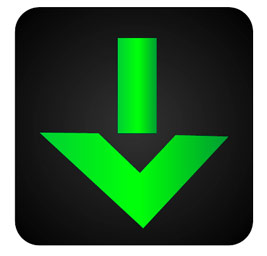
A downwards directed green arrow light indicates that the lane is available for traffic.
Pedestrian light signals:
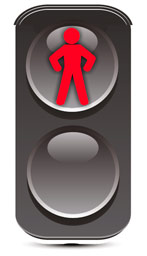
PRed light: the pedestrian is not allowed to step on the roadway, cycle track or tramway track.
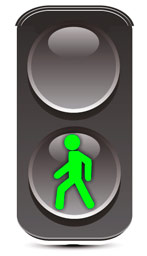
Green light: pedestrian is allowed to step on the roadway, cycle track or tramway track. When there is a special pedestrian light signal the pedestrians have to obey it. When there is no special pedestrian light signal, the pedestrians have to obey the lights meant for vehicles travelling in the same direction.
When there is no special light for cyclists and mopeds using cycle track, they have to obey the pedestrian light signals and if that does not exist the traffic lights meant for motorvehicles.
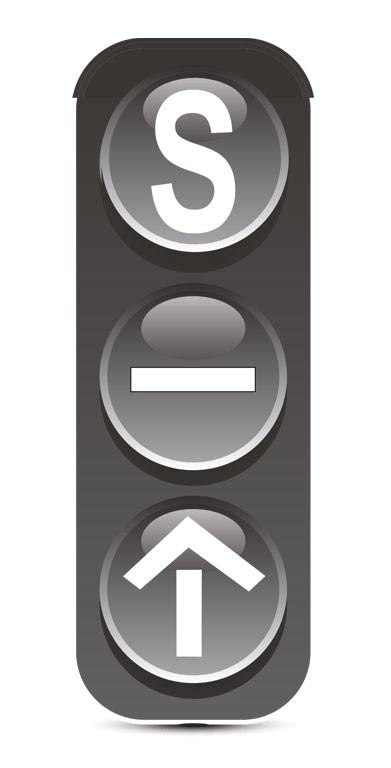
If tram and bus traffic is controlled separately from other traffic, public transport traffic lights may be used. The letter S in the lights indicates a red light, the horizontal line a yellow light and the arrow a green light.